PRE-SCHOOL

Cras metus quam, condimentum ut venen an rutrum. Sed vehicula at r quis fringnull lobortis.

NURSERY

Cras metus quam, condimentum ut venen an rutrum. Sed vehicula at r quis fringnull lobortis.

AFTER SCHOOL

Cras metus quam, condimentum ut venen an rutrum. Sed vehicula at r quis fringnull lobortis.
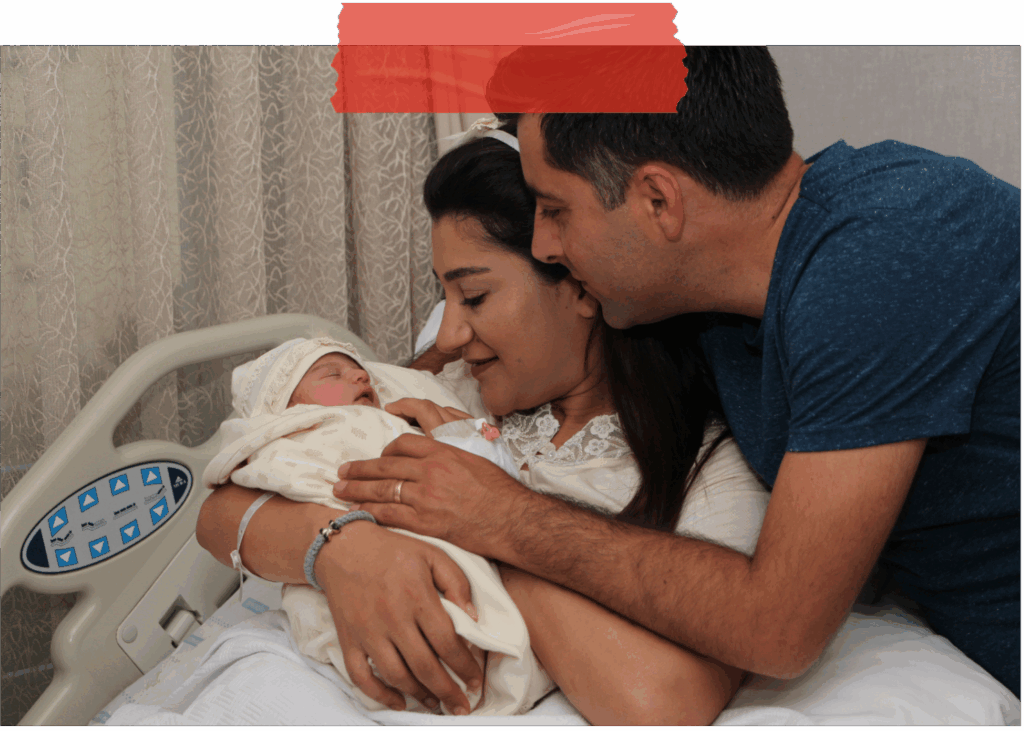
What Is Newborn Hearing Screening?

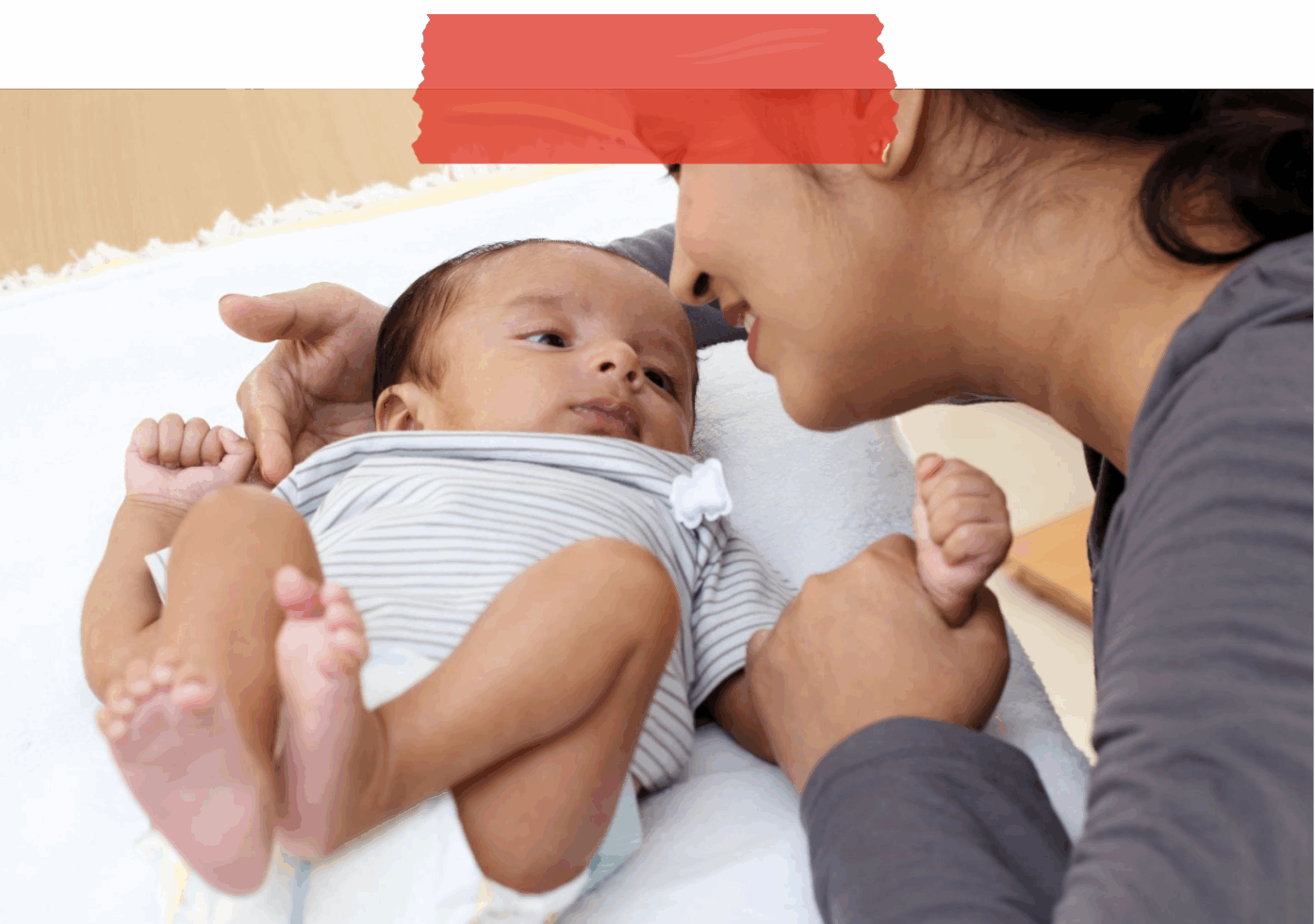
Newborn hearing screening is a safe and quick test to check if a baby has a significant hearing loss. The test is done at the birth hospital within a day or two after the baby is born.

Why Is Newborn Hearing Screening So Important?

In newborn babies, hearing loss can interrupt the development of speech and language skills. The period from birth to 3 years is very important. During this time, the baby listens to the voices of the parents and other family members and eventually learns how to talk. Hearing loss during this time can affect the child’s ability to learn to talk and communicate with others.

Around 3 to 6 out of every 1,000 babies are born with hearing loss, and most babies’ ears look normal even with a significant hearing loss. So, the condition often goes unnoticed until the parents find out, months and sometimes years later.

I Have Normal Hearing So My Baby Will Also Have Normal Hearing, Right?

More than 95 % of babies born with hearing loss are born to normal hearing parents. So even if you and your partner, both have normal hearing, it is still possible for your baby
to be born with a significant hearing loss.

My Baby Turns To Sounds, Does My Baby Still Need A Newborn Hearing Screening Test?

Turning to sounds does not always mean your baby can hear all the speech sounds needed for language development. So it is important that you get your baby’s newborn hearing screening done.

How is The Newborn Hearing Screening Be Done?

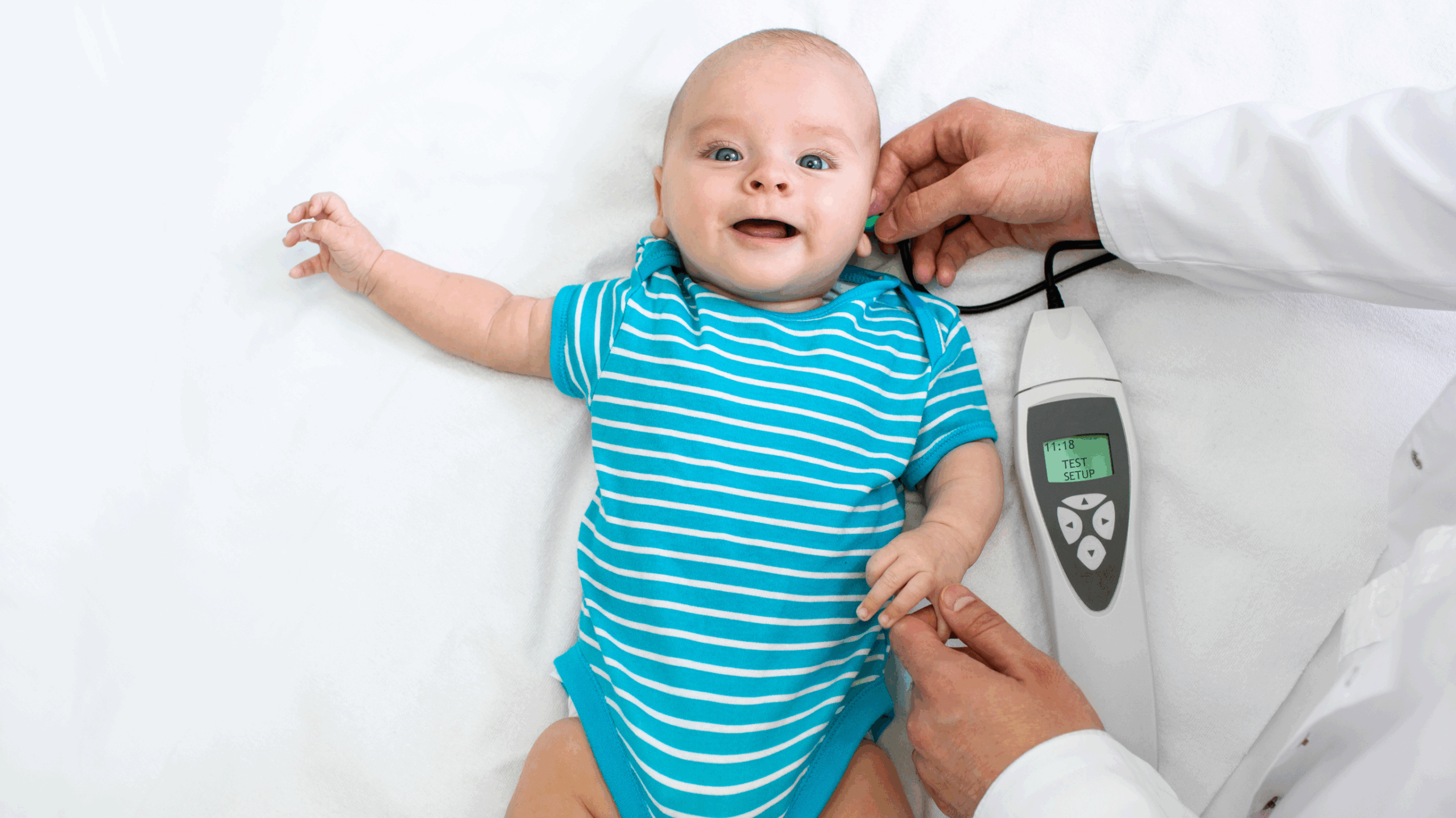
Two tests are used for Newborn Hearing Screening (NBHS). Both these tests are safe, quick, and painless. They usually take about 10 minutes and are done while the baby is asleep, so most of the time, the baby doesn’t even notice it was done.

Depending on your baby’s birth history, either one or both of the following tests may be used to check your baby’s hearing.

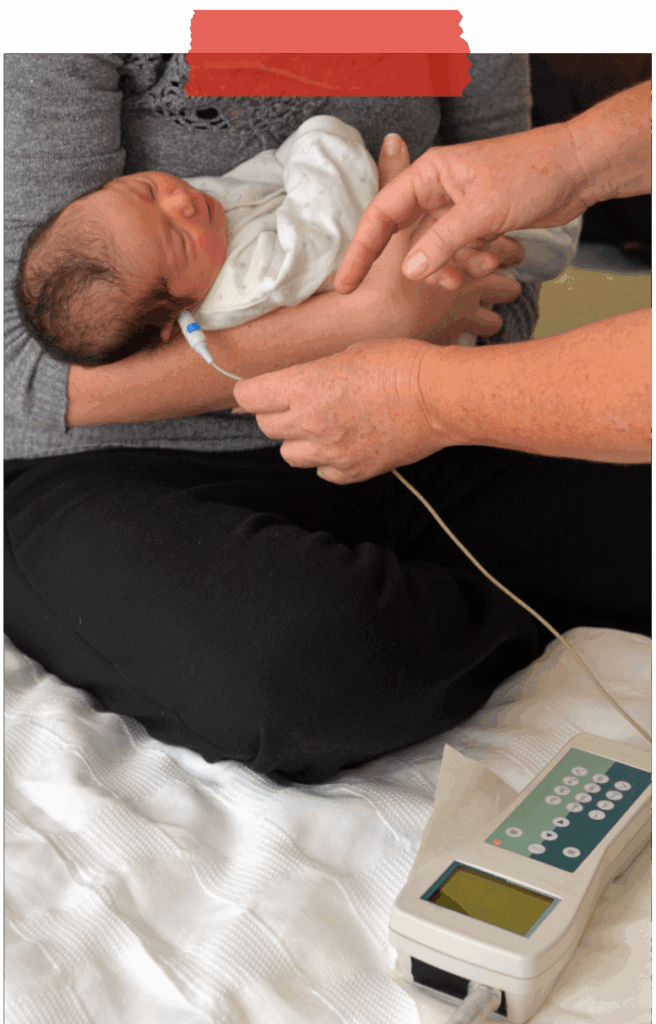
1. automated Otoacoustic Emissions (AOAE)

During OAE testing, a small earbud is placed in the baby’s ear. This earbud contains both a microphone and an earphone. Soft sounds are played through the earbud, and the microphone measures echo responses from the inner ear (cochlea). If a baby has normal or near-normal hearing, an echo is reflected back into the ear, which is picked up by the microphone. If the baby has significant hearing loss, either a weak echo or no echo is detected.

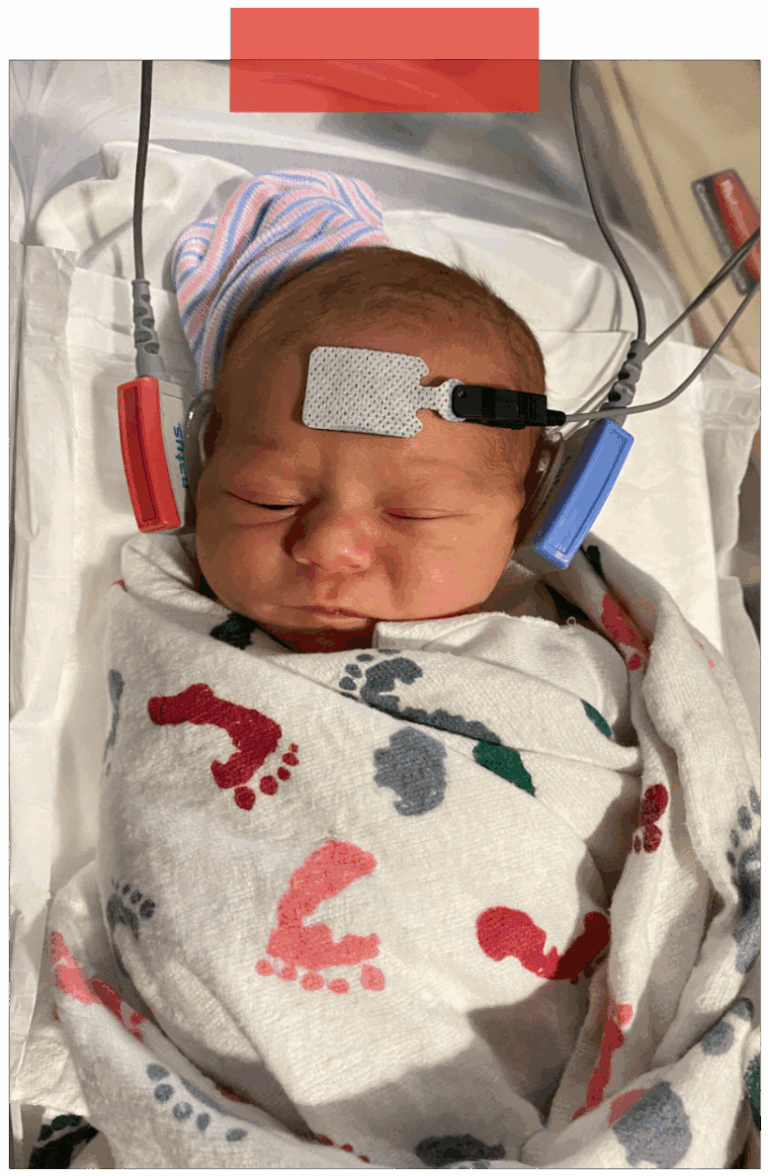
2. Automated Auditory Brainstem Response (AABR)

The Automated Auditory Brainstem Response testing measures how sounds travel from the ear to the center in the brain responsible for hearing.
During this test, small sticker electrodes are placed on the baby’s head, and soft earphones are placed in or around the baby’s ears. Sounds are played through the earphones, and the electrodes measure whether the baby’s ears and brain are responding to the sound. If the baby has normal hearing, a clear response will be detected. If the baby has a significant hearing loss, no response will be detected.

After the newborn hearing screening is done, you will receive the results right away.
• If the result says “Pass,” it means your baby has shown a typical response to sound, and no further testing is needed at this time.
• If your baby’s hearing screening result says “Refer / Did Not Pass / Failed,” it means your baby needs a follow-up test to check for possible hearing loss. The follow-up should be done as soon as possible and before your baby turns 1 month old.

What happens if my baby does not pass the Newborn Hearing Screening test?

If your baby does not pass the initial hearing screening, a follow-up test will be needed after being discharged from the birth hospital. Either a re-screening or a complete hearing test may be necessary. 

Re-screening should be done before your baby is 1 month old.

If needed, a full diagnostic test called a diagnostic ABR/BERA test should be completed before your baby is 3 months old. This test is done by a paediatric audiologist and gives detailed information about your baby’s hearing.

It is important to complete these tests on time so that, if hearing loss is present, your baby can receive early support and treatment.

What Is Early Hearing Detection & Intervention (EHDI)?

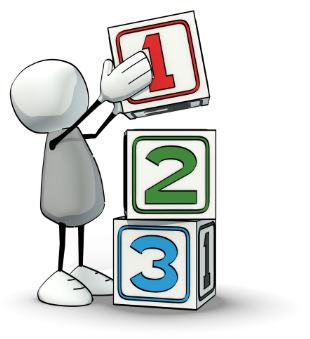
The Early Hearing Detection and Intervention (EHDI) program follows the 1-3-6 guideline as a benchmark to identify children born with hearing loss at the earliest and provides appropriate and timely treatment. 


Step 1: All babies should have a newborn hearing screening before leaving the birth hospital. If the screening is missed or needs to be repeated, it should be done before the baby is 1 month old.


Step 2: If a baby does not pass the re-screening, a detailed hearing test known as the BERA (Brainstem Evoked Response Audiometry) should be completed before the baby is 3 months old.


Step 3: Babies diagnosed with hearing loss should be fit with hearing aids within 1 month and receive therapy such as speech therapy, physical therapy etc based on their individual needs before they are 6 months old.


When these guidelines are followed, children with hearing loss are able to develop speech and language abilities that are near normal to normal for their age.

Some Babies Have A Higher Risk Of Hearing Loss.

This includes:

  • Babies with a maternal infection like Cytomegalovirus (CMV).
  • Babies who are admitted to the Neonatal Intensive Care Unit (NICU).
  • Babies with low birth weight (less than 1500 grams).
  • Babies who are born prematurely.
  • Babies who have had Meningitis.
  • Babies with high levels of bilirubin. (Hyperbilirubinemia)
  • Babies who are given certain medications like antibiotics (Gentamicin, Neomycin, Tobramycin, vancomycin etc) and loop diuretics – a type of medicine that helps the body get rid of extra fluid.
  • Babies who have low oxygen levels at birth (hypoxia).

If a baby with any of the above health conditions passes the newborn hearing screening, it’s still possible for hearing loss to develop later. So a diagnostic BERA test is recommended between 3 to 9 months of age.

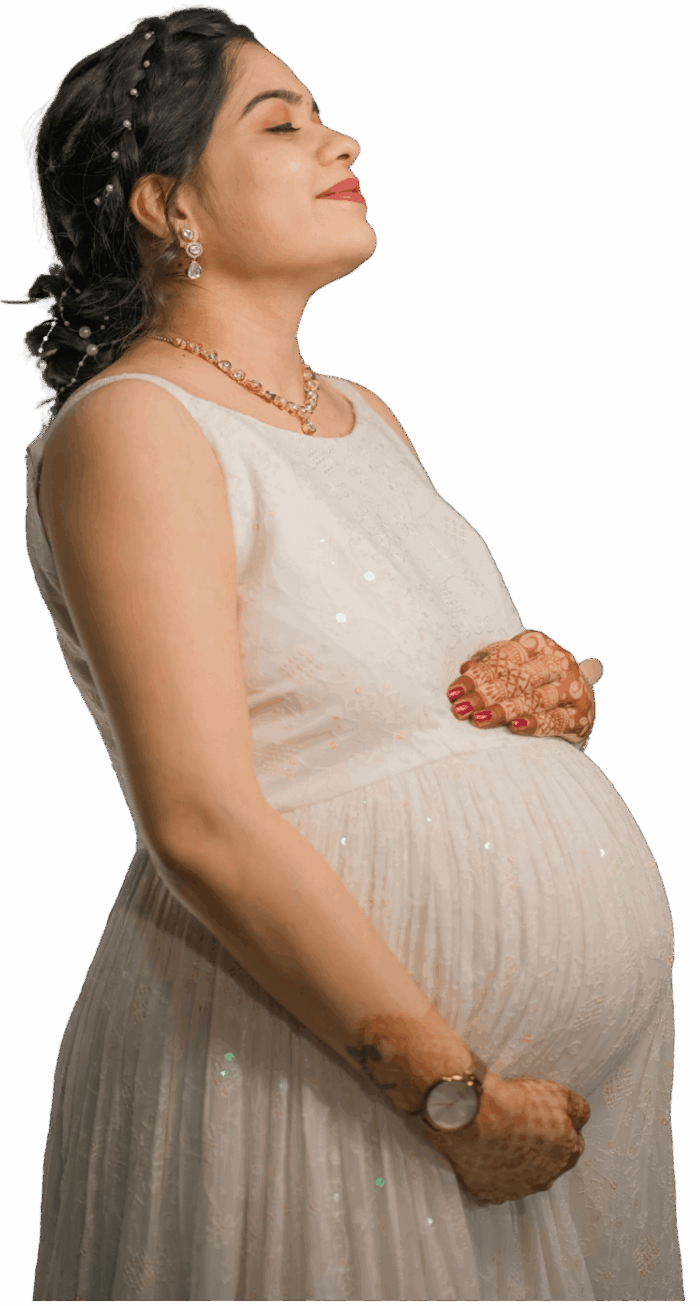
Expecting A Baby?

Here are some simple tips to follow.

1. Newborn Hearing Screening

Ask your gynecologist if your baby will receive newborn hearing screening at birth. If not, plan to get it done soon after coming home. You can speak to your baby’s paediatrician or visit an ENT specialist or an audiologist. Many private and government hospitals offer this test. Make sure your baby is screened before 1 month of age, and keep a copy of the results for your records.

2. CMV and Hearing Loss

If a mother is infected with Cytomegalovirus (CMV) during pregnancy, the baby can have hearing loss at birth. CMV spreads through bodily fluids such as saliva and urine. If you have a young child at home, avoid sharing food, drinks, or utensils with them. Do not kiss your child on the lips. Do not use your child’s cup, bottle, or pacifier. Always wash your hands well with soap and water after changing diapers, wiping your child’s nose and helping your child in the bathroom.

How can I support my baby’s language development?

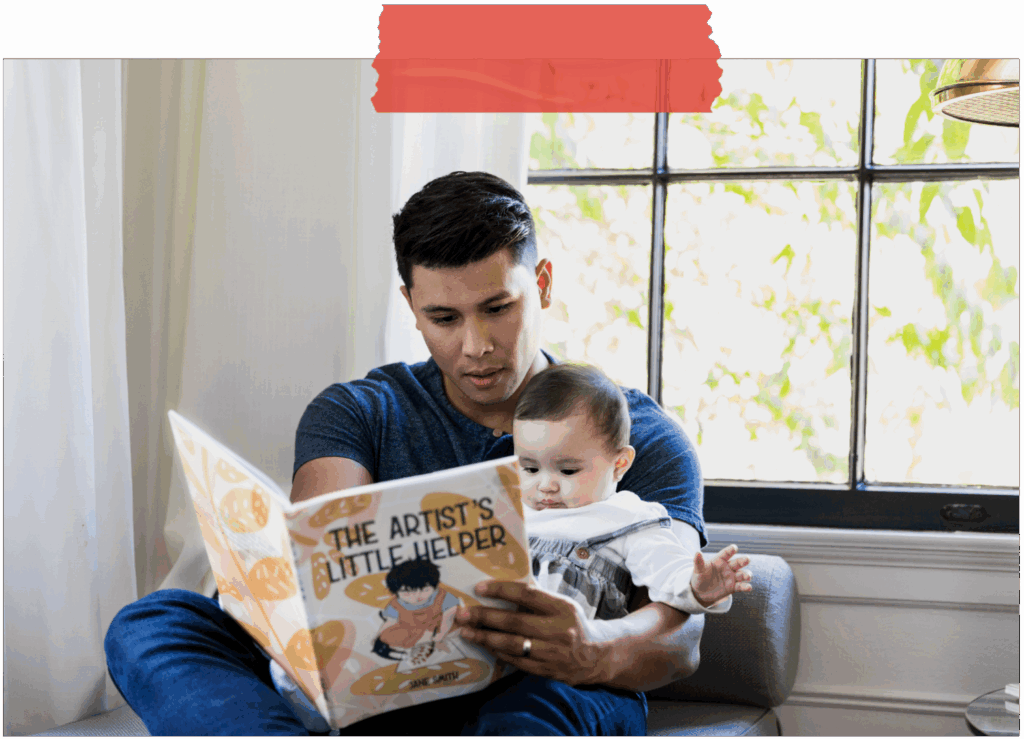
1. Read to your baby.
Start from day one. Choose books with big pictures and simple words. Reading introduces new sounds and words and helps build a strong bond with your baby.


2. Talk throughout the day.
Speak to your baby during all activities, such as feeding, diaper changes, and bath time. The more your baby hears your voice, the better it is for speech development.


3. Respond to your baby.
When your baby coos, babbles, or points, respond with words. 


4. Describe what you see.
Use everyday moments to build vocabulary. For example, say “Look, a red ball!” or “This is your spoon.”


5. Sing songs and rhymes.
Music and rhythm help babies recognize patterns in language and make learning fun.


6. Speak clearly.
Avoid baby talk, use real words and proper sentences. Babies learn best by hearing clear, correct speech from the beginning.


7. Limit screen time.
Babies learn language through face-to-face interaction. Too much screen time can take away from bonding and slow language development.


8. Involve others.
As your baby starts to grow, they may spend more time with other family members like siblings, grandmother, grandfather, uncle, aunty, and/or caregivers. So it is important to encourage them to talk, read, and sing to your baby as well.